
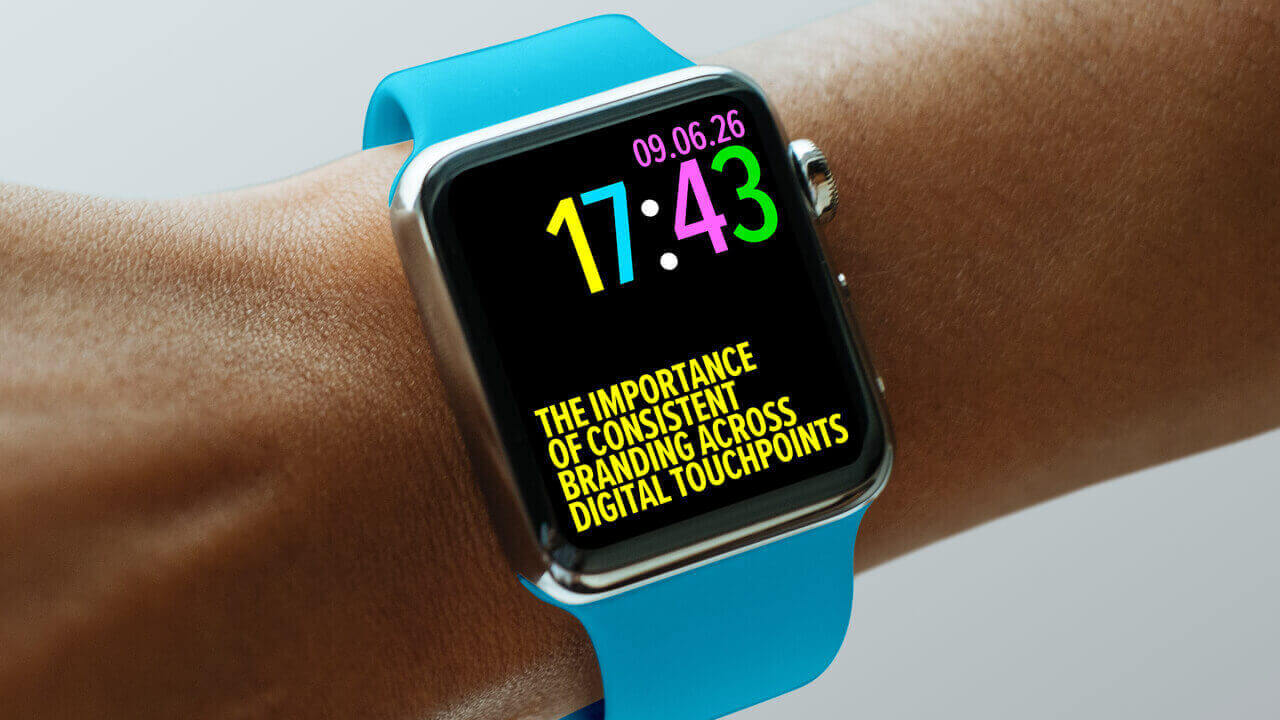
The importance of consistent branding across digital touchpoints
In today’s digital-first world, your brand is more than just a logo. It’s the sum of every interaction a customer has with your business—across websites, social media, email marketing, mobile apps, and beyond. With so many digital touchpoints, maintaining brand consistency is not just important—it’s essential.
Consistent branding builds trust, reinforces recognition, and shapes how your audience perceives your business. Brands that present themselves consistently see up to a 23% increase in revenue, according to Lucidpress. On the flip side, inconsistent messaging or visual identity can confuse customers and weaken your brand’s impact.
In this blog, we’ll explore why digital brand consistency matters, how to achieve it, and the tangible business benefits it brings.
What Is Digital Brand Consistency?
Digital brand consistency refers to delivering a cohesive and unified brand experience across all digital platforms and channels. This includes:
- Website design & UX
- Social media profiles & posts
- Email newsletters
- Digital advertising campaigns
- Mobile apps & interfaces
- Content marketing (blogs, videos, infographics)
- Online customer service portals
A consistent brand uses the same visual identity, tone of voice, messaging, and values no matter where or how a customer interacts with it.
Why Consistent Branding Across Digital Touchpoints is Essential
1. Enhances Brand Recognition
People need multiple interactions with your brand before they remember it. When your digital assets share the same logos, color palettes, typography, and messaging, it reinforces brand recognition. Whether a user lands on your Instagram ad or your product page, they should instantly recognize it’s your brand.
2. Builds Trust and Credibility
Inconsistent branding can create doubts about your business’s professionalism. A cohesive brand signals reliability and attention to detail. Trust is built when customers see a familiar and polished presence across platforms. In industries like finance, healthcare, or B2B, this credibility can be the difference between gaining or losing a client.
3. Supports Seamless Customer Journeys
Modern customer journeys are non-linear. A user might discover your brand through a LinkedIn post, research your services on Google, and finally convert via an email campaign. Consistent branding ensures these interactions feel connected and smooth, reducing friction and enhancing conversion rates.
4. Improves Marketing Efficiency
Having clear brand guidelines reduces time and confusion when creating content, ads, or campaigns. Your teams know what fonts, colors, and messaging to use, ensuring faster turnaround and stronger outputs. This efficiency translates into better marketing ROI.
5. Strengthens Emotional Connection
Consistency helps create an emotional connection with your audience. By delivering a unified brand story, you evoke the same feelings and associations every time a user engages with your content. Over time, this builds loyalty and advocacy.
Key Elements of a Consistent Digital Brand
1. Visual Identity
- Logo placement & usage
- Brand color palette
- Typography & font hierarchy
- Image styles & graphic elements
- Layout & spacing rules
2. Tone of Voice & Messaging
- Consistent language style (formal, friendly, witty, authoritative)
- Core brand values & mission statements
- Taglines & key phrases
- Product/service descriptions
3. User Experience (UX)
- Navigation structures
- Interface design across devices
- Accessibility standards
- Interactive elements (buttons, forms)
4. Content Standards
- Blog formats & editorial style
- Video intros & outros
- Social media post templates
- Email design consistency
How to Achieve Brand Consistency Across Digital Touchpoints
1. Develop Comprehensive Brand Guidelines
Create a brand style guide that outlines visual identity, tone of voice, messaging frameworks, and content rules. This should be accessible to all internal teams and external partners.
2. Centralize Digital Assets
Use a digital asset management (DAM) system to organize and distribute brand-approved logos, images, videos, and templates. This ensures every team uses the correct files.
3. Audit Existing Touchpoints
Conduct a brand audit to evaluate current digital channels. Identify inconsistencies in design, messaging, or UX. Prioritize updating high-traffic assets like your website and social profiles.
4. Align Internal Teams
Ensure marketing, sales, product, and customer service teams are aligned on brand standards. Regular training sessions and brand workshops help maintain consistency.
5. Implement Design Systems
For digital products and platforms, create a design system that defines UI components, interaction patterns, and visual guidelines. This ensures consistency across websites, apps, and software interfaces.
6. Monitor and Optimize
Brand consistency is an ongoing process. Use feedback loops, analytics, and periodic audits to ensure your brand remains cohesive as your business evolves.
Real-World Example of Consistent Digital Branding
A perfect example of digital brand consistency is Airbnb. Whether you visit their website, engage on Instagram, or receive an email from them, the experience is unified. Their color palette, typography, and photography style are consistent. Their messaging remains friendly, inclusive, and community-driven. This seamless approach reinforces trust and brand loyalty worldwide.
Design becomes an expression of clarity — not a substitute for it.
Conclusion
Consistency is Key to Brand Success
Maintaining brand consistency across digital touchpoints is no longer optional—it’s a strategic imperative. A cohesive brand experience enhances recognition, builds trust, improves customer journeys, and drives business growth.
For companies looking to scale and compete in crowded markets, investing in brand consistency ensures every digital interaction strengthens your brand’s value.
Looking to unify your digital brand experience?
They Did It specializes in crafting consistent, high-impact branding strategies that resonate across all digital platforms. Get in touch with our team today to elevate your brand’s digital presence.