
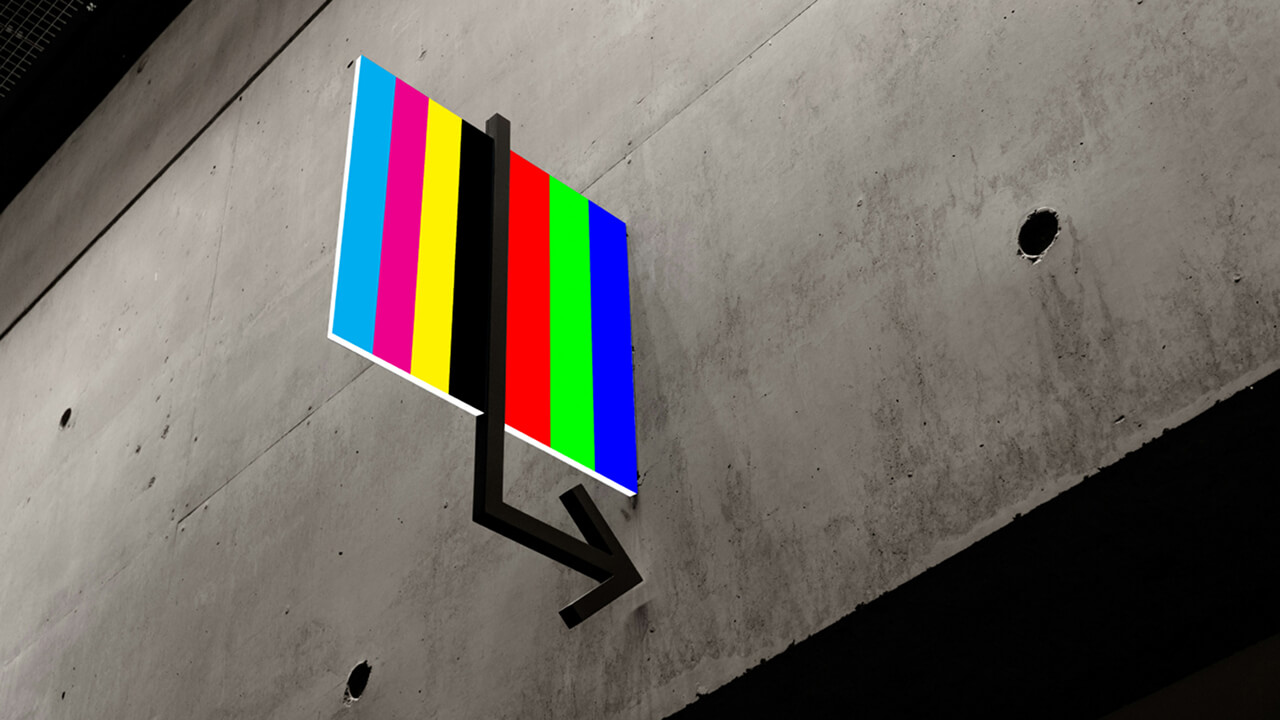
CMYK vs RGB
In today’s world, businesses have endless ways to get their message out, but two of the most popular are print advertising and social media advertising. Both have their strengths (and their quirks), and choosing the right one really depends on your audience and goals.
Print advertising is the classic route, think newspapers, magazines, flyers, and billboards. For example, a luxury watch brand might feature a glossy full-page ad in Vogue to reach stylish, high-end readers. The great thing about print ads is that they feel tangible and trustworthy. There’s something powerful about holding a beautifully designed ad in your hands, and print still connects well with older audiences who enjoy traditional media. On the flip side, print can be expensive, and it’s hard to measure exactly how many people were influenced by your ad. Plus, fewer people are reading print publications these days, which limits your reach.
Then there’s social media advertising, the modern, fast moving option. Platforms like Instagram, TikTok, Facebook, and LinkedIn let businesses reach specific audiences with just a few clicks. For instance, a local boutique might run an Instagram ad showing new outfits to nearby shoppers aged 18–30. Social media’s big wins are flexibility, affordability, and detailed targeting. You can see how your ad performs in real time and adjust your budget or message instantly. But it’s not all perfect, social media can feel crowded, and ads are easy to scroll past. Algorithms also change often, so your visibility isn’t always guaranteed.
In the end, print ads build credibility and emotional connection, while social media ads offer speed and precision. The best marketing strategies often mix both, using print to create trust and social media to keep the conversation going.